
Swedish Culinary Heritage

Sweden: Classics Around the Table

From the bustling working-class beer halls of southern Stockholm to the grand dining salons of Gothenburg, Sweden’s culinary identity is defined by husmanskost—honest, sustaining food prepared with patience.

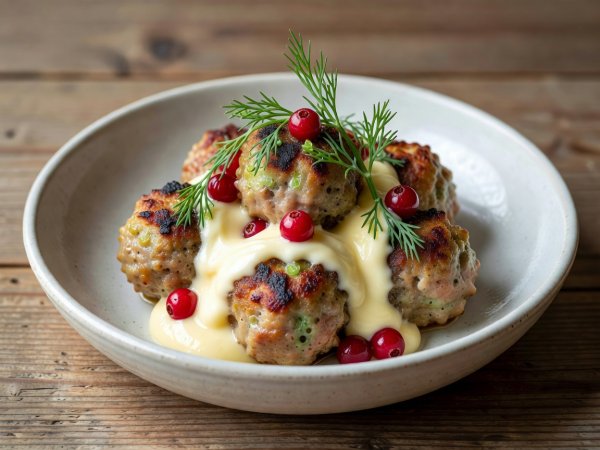
Render illustration of Swedish meatballs with butter puree, lingonberries, and fresh dill sprigs

Understanding Husmanskost: The Working Diet Elevated

The Swedish term husmanskost translates literally to "house owner’s food"—originally designating the nourishing, economical sustenance prepared for rural estates, farmhands, and urban laborers. It is defined not by extravagance, but by resourcefulness: root vegetables, salt pork, cold-water fish, and dairy fat.

During the late 19th and early 20th centuries, prominent chefs codified these domestic recipes into city restaurants. A signature hallmark is the interplay between cream-heavy gravies and tart, uncooked berries (rårörda lingon), alongside thinly shaved pressed cucumber soaked in vinegar, sugar, and parsley.

Render illustration of a high-ceilinged Swedish beer hall with Art Nouveau tile accents

Illustration: Historic Södermalm beer hall dining room.

Pelikan (Stockholm)

Originally chartered on Gamla Stan in 1733 before moving to Blekingegatan on Södermalm in 1904, Pelikan features soaring vaulted ceilings, dark timber booths, and massive brass fittings. Its signature offering is fläsklägg med rotmos (tender roasted ham hock with mashed rutabaga and sweet mustard), alongside meticulously hand-rolled köttbullar.

Render illustration of an intimate dark-wood tavern with vintage portraits and warm lamps

Illustration: Vasastan tavern interior and brass detailing.

Tennstopet (Stockholm)

For over a century and a half, Tennstopet has anchored Vasastan’s intellectual and dining life. Known for honoring the Swedish game calendar, the kitchen transitions from spring Baltic herring to autumn roast reindeer and moose stews, concluding each winter with Janssons frestelse (potato, onion, and sprat casserole).

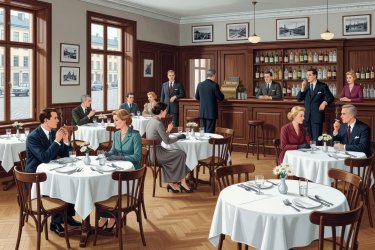
Render illustration of a mid-century Gothenburg restaurant salon with white table linens

Illustration: Classical Gothenburg dining room atmosphere.

Restaurang Kometen (Gothenburg)

Operating since 1934 on Vasagatan in Gothenburg, Kometen has long been the maritime city’s guardian of traditional cooking. Famed for its Wallenbergare—a delicate patty of ground veal whipped with egg yolks and double cream, breaded in fresh white crumbs and browned in butter—the restaurant embodies West Coast culinary rigor.

Render illustration of an antique European bistro with mirrored walls and bentwood chairs

Illustration: Classic turn-of-the-century Stockholm bistro interior.

Restaurang Prinsen (Stockholm)

Founded in 1897 near Stureplan, Prinsen blends French brassiere aesthetics with steadfast Swedish classics. It is widely recognized for introducing modern diners to Biff Rydberg—crisply seared cubes of beef tenderloin, sautéed potatoes, and caramelized onions served with a raw egg yolk and sharp mustard cream.