Norwegian Coastal Culture

Norway: Coastal Roots, Local Plates

Norwegian food customs are defined by vast coastlines, mountain isolation, and the historic necessity of drying, salting, and fermenting protein for harsh Arctic winters.

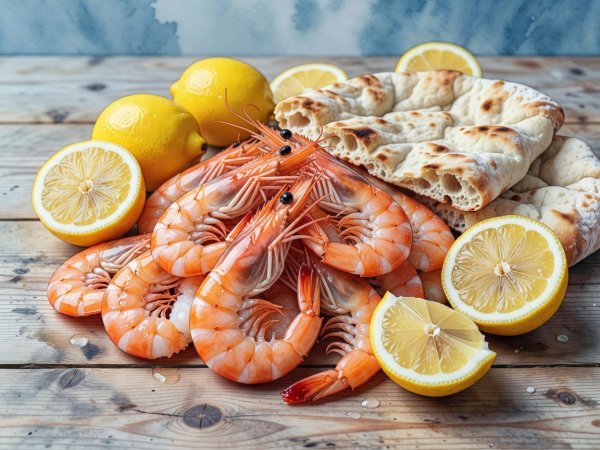
Render illustration of boiled Arctic prawns, lemon halves, and rustic flatbread

The Arctic Bounty and Domestic Preservation

Norway’s traditional cooking is fundamentally maritime. While southern Scandinavia enjoys fertile grain lands, Norway’s rugged geography compelled communities to master the sea. From the ancient stockfish trade of Lofoten to the fjord fishing villages of Western Norway, wild cold-water species dictate the calendar.

Winter brings skrei—migratory cod arriving from the Barents Sea to spawn off northern shores. In traditional restaurants, skrei is served as mølje: poached cod fillet, boiled cod liver, and delicate roe served alongside boiled Ringerike potatoes. In autumn, mountain pasturing yields Norway's national dish, fårikål, a straightforward stew of layered bone-in mutton, cabbage, and whole black peppercorns.

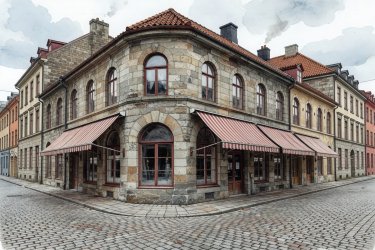
Render illustration of a historic corner restaurant in Oslo with arched windows and vintage awnings

Illustration: Historic Bankplassen facade in Oslo.

Engebret Café (Oslo)

Continuous since 1857 at Bankplassen, Engebret Café remains the spiritual home of Norwegian cultural dining. Founded by Engebret Christoffersen, its intimate parlors served dramatist Henrik Ibsen and painter Edvard Munch. The menu celebrates authentic Norwegian seasonality: skrei cod in winter, summer boiled prawns with mayonnaise on crusty loff, and autumn game birds.
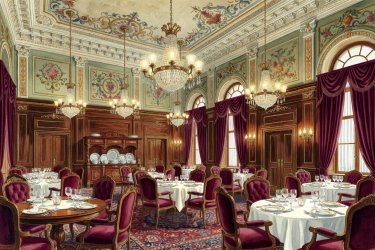
Render illustration of a grand Victorian dining room with high painted ceilings and chandeliers

Illustration: Classical grand cafe salon setting.

Grand Café (Oslo)

Situated on Karl Johans gate since 1874, the Grand Café is famous for Per Krohg’s monumental fresco depicting the 19th-century "Kristiania Bohemians." While refreshed over time, its culinary identity continues to present traditional Norwegian wild game, gravlaks, and coastal halibut to residents and foreign visitors.

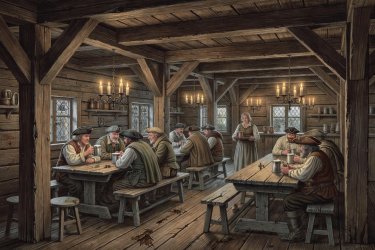
Render illustration of a 1700s timbered tavern dining room with wood post framing

Illustration: 18th-century timber interior architecture.

Stortorvets Gjæstgiveri (Oslo)

Occupying one of Oslo’s oldest surviving wooden complexes, Stortorvets has operated continuously as a public house since the early 18th century. Its kitchen remains loyal to unpretentious folk traditions: smoked salmon with scrambled eggs, pan-fried cured pork belly (flesk), and traditional fish cakes in brown onion gravy.

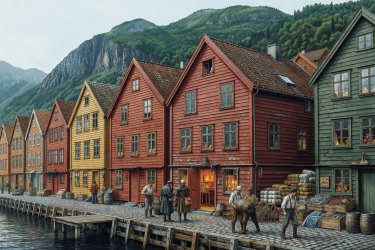
Render illustration of historic Hanseatic timber merchant wharf buildings in Bergen

Illustration: Hanseatic wharf dining environment in Bergen.

Enhjørningen (Bergen)

Located directly within the UNESCO-protected timber rows of Bryggen in Bergen, Enhjørningen ("The Unicorn") occupies an authentic Hanseatic merchant quarters. It operates as a maritime sanctuary, serving classic Bergen fish soup (Bergensk fiskesuppe) with sour cream and vinegar, alongside pan-fried redfish and dried cod lutefisk.