Find a Nordic Table That Makes the Tradition Clear

Traditional Scandinavian dining is rooted in maritime preservation, cool-climate farming, and deliberate daytime social ritual. We document historic establishments where recipes remain anchored to their cultural origins.

Find Your Starting Dish Explore Guide Overview
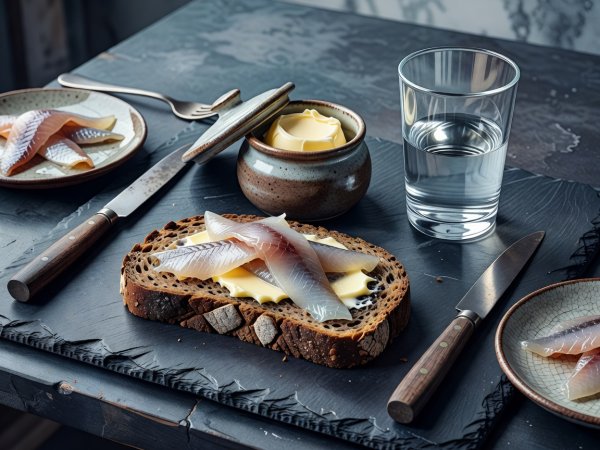
Render illustration of dark rye bread, butter pot, pickled herring, and aquavit glass on a slate table
Foundational Perspective

Begin With What You Want to Taste: large lead guide

Before walking into a centuries-old dining room in Copenhagen, Stockholm, or Oslo, the most useful step is clarifying which foundational flavour you wish to encounter. Nordic cooking is neither uniform nor monolithic; it is a tripartite conversation shaped by different geographies and historical imperatives.

In Denmark, the meal is structured around dense, fermented rugbrød (sourdough rye), serving as a structured canvas for cold preserved fish, liver pâté, and braised meats. In Sweden, the institution of husmanskost brings forth comforting starch-and-game balance, lingonberry tartness, and delicate cold-water shellfish. In Norway, steep fjords and Arctic fisheries give prominence to dried cod, salt-cured lamb, and mountain dairy.

Selecting a restaurant in Scandinavia works best when you align the venue’s heritage with its specific domestic craft. Rather than seeking high-speed tasting menus or globalised reinventions, this guide focuses on venues that keep these everyday culinary customs legible to every visitor.
Kingdom of Denmark

Denmark Between Bread and Gathering: Danish dining

Danish traditional dining is predominantly a daylight affair centered around the open sandwich ritual and extended luncheon conversations.

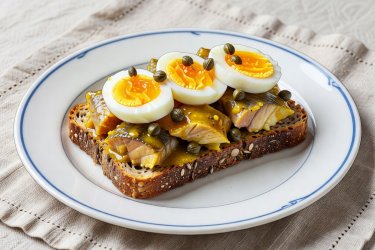
Render illustration of curried herring on rugbrod with egg slices and capers

Illustration: Anatomy of a classical Danish luncheon piece.

Restaurant Schønnemann (Copenhagen)

Operating continuously at Hauser Plads since 1877, Schønnemann represents the uncompromising gold standard of classic smørrebrød. Here, the lunch order follows strict sequence: pickled herring varieties first, followed by fried fish fillet, delicate poultry or roast meats, and concluding with mature Danablu or Gamle Ole cheese.

Explore Danish Dining Details
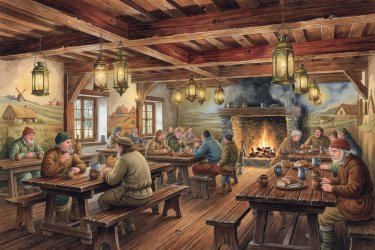
Render illustration of a historic timbered Danish inn dining hall with brass lanterns

Illustration: Regional Danish inn interior ambiance.

Den Gamle Kro (Odense)

Housed in half-timbered merchant quarters dating back to 1683 in the heart of Funen, Den Gamle Kro maintains the convivial tradition of regional Danish hospitality. The kitchen prepares hearty evening staples such as flæskesteg with blistered crackling and spiced red cabbage.

View Historic Inns
Kingdom of Sweden

Sweden’s Familiar Flavours: Swedish dining

Swedish husmanskost (everyday working food) balances soothing cream sauces, delicate dill, and sharp berry acids.

Render illustration of traditional Swedish meatballs with cream sauce, lingonberries, and cucumber

Illustration: Traditional husmanskost presentation.

Pelikan (Stockholm)

Set beneath soaring tiled ceilings on Södermalm, Pelikan has served Stockholm since 1733 (in its current hall since 1904). Diners gather for generous platters of pan-fried köttbullar, boiled buttered potatoes, freshly pressed cucumber pickles, and lingonberry preserves alongside classic roasted pork shank with rotmos.

Read Swedish Guide
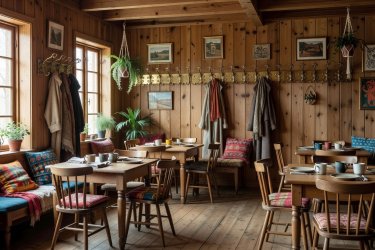
Render illustration of classic Swedish oak panel dining tavern with brass coat racks

Illustration: Turn-of-the-century Swedish tavern setting.

Tennstopet (Vasastan)

An enduring cultural institution since 1867, Tennstopet provides a direct window into Stockholm’s seasonal calendar. From seasonal spring Baltic herring to autumn game casseroles and mid-winter Janssons frestelse, its oak-paneled rooms welcome generations of locals.

Explore Tennstopet Profile
Kingdom of Norway

Norway From Coast to Kitchen: Norwegian dining

Norwegian culinary customs reflect severe topography and deep Atlantic waters, relying on time-honored preservation and coastal bounty.

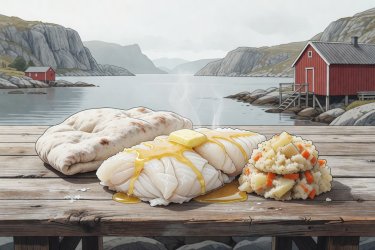
Render illustration of poached Arctic cod with melted butter, flatbread, and root mash

Illustration: Traditional Norwegian maritime plate.

Engebret Café (Oslo)

Established in 1857 at Bankplassen, Engebret Café is Oslo’s oldest operating restaurant. Its low-ceilinged rooms once hosted Henrik Ibsen and Edvard Munch. The menu spotlights seasonal coastal specialties: poached fresh skrei cod during winter, summer fjord shrimp, and classic fårikål (lamb and cabbage stew) each autumn.

Norwegian Coast Profile
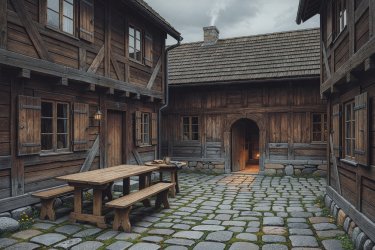
Render illustration of historic timbered Nordic pub courtyard with flagstones

Illustration: 18th-century Scandinavian guest house architecture.

Stortorvets Gjæstgiveri (Oslo)

Housed in an intact timber building dating to the early 1700s, this central Oslo landmark serves unvarnished traditional fare. Here, visitors encounter house-cured gravlaks with sweet mustard dill sauce, mountain game sausages, and robust root vegetables.

View Stortorvets History
Etiquette & Technique

Read the Meal Before You Order: specialties and dining guidance

Mastering traditional Scandinavian menus requires grasping several simple dining principles that avoid confusion and ensure genuine appreciation of the cuisine.

Strict Smørrebrød Order
In Denmark, you never eat warm meat before cold fish. Always begin with marinated herring, progress to warm pan-seared fish fillets, then meat toppings, finishing with blue cheese.
Fork and Knife Always
Despite being called open-faced sandwiches, smørrebrød is never eaten by hand. Use a knife and fork cleanly at all times.
Lingonberries are Savory
In Sweden, rårörda lingon (sugared lingonberries) are not dessert. Their sharp acidity cuts through rich cream sauces and butter-laden potato purees.
Day vs. Evening Distinction
Certain classic dishes are strictly lunch items in Copenhagen, while in Sweden husmanskost is heavily featured as a hearty midday meal (dagens rätt).
Explore the Full Food Guide
Comparative Matrix

Match the Restaurant to the Occasion: comparison block

A factual reference comparing structural characteristics across prominent historic dining venues.

Restaurant City & Country Founded Primary Focus Typical Dining Style
Restaurant Schønnemann Copenhagen, Denmark 1877 Classical Smørrebrød & Aquavit Daytime sit-down luncheon; reserved tables
Den Gamle Kro Odense, Denmark 1683 Fyn Regional Roasts & Inn Fare Relaxed evening tavern dining
Pelikan Stockholm, Sweden 1733 Swedish Husmanskost & Pork Shank Lively beer hall setting; casual table service
Tennstopet Stockholm, Sweden 1867 Seasonal Swedish Game & Classics Neighborhood dining room and classic grill
Engebret Café Oslo, Norway 1857 Skrei Cod, Fjord Seafood & Game Historic salon service; traditional lunch/dinner
Stortorvets Gjæstgiveri Oslo, Norway 1700s Cured Meats, Gravlaks & Stews Unpretentious heritage tavern setting
Knowledge Base

Ask With Confidence: FAQ preview and sources

Common questions from international diners encountering Scandinavian food customs for the first time.

How many pieces of smørrebrød constitute a complete meal?

For an average appetite, two to three open sandwiches are customary. In historic establishments such as Schønnemann, pieces are generously piled with toppings, making three pieces a very substantial lunch.

Is aquavit (snaps) sipped or taken as a shot?

While often consumed alongside songs at celebratory feasts, in traditional luncheon restaurants snaps is traditionally sipped steadily alongside beer and fatty pickled herring to cleanse the palate.

Browse All Table FAQs