Danish Regional Tradition

Denmark: The Open Sandwich and Beyond

In Denmark, culinary tradition is inextricably linked to midday socializing and the meticulous architecture of smørrebrød on dense sourdough rye.

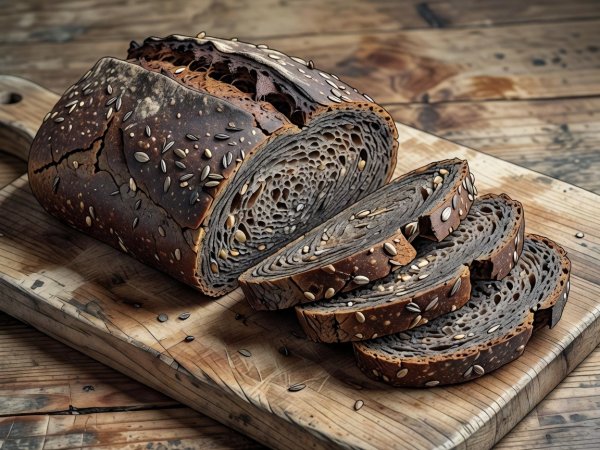
Render illustration of seeded dark Danish sourdough rye bread loaf sliced on a cutting board

The Architecture of the Smørrebrød Plate

Smørrebrød began as an 19th-century agricultural lunch of buttered bread topped with leftovers. During the industrial expansion of Copenhagen, workers carried tin boxes filled with rugbrød slices separated by greaseproof paper. By the 1880s, dedicated lunch cellars refined this habit into a sophisticated craft with standardized garnishes and presentation rules.

A true Danish sandwich rests upon 100% rye sourdough bread, densely textured and lightly soured. Butter (smør) is spread generously to the edges—not merely for taste, but as a protective barrier preventing juices from softening the crumb. Toppings are balanced with fatty components, sharp acids (pickles, capers, raw onions), and crispy textures.

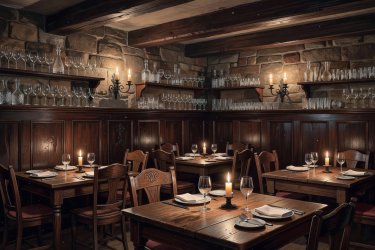
Render illustration of a historic basement dining cellar with dark wood wainscoting and glassware

Illustration: Historic Copenhagen lunch cellar atmosphere.

Restaurant Schønnemann (Copenhagen)

Founded in 1877 at Hauser Plads, Schønnemann remains the purist benchmark. Waitstaff in white aprons guide diners through over 100 sandwich variations. The house specialty—spiced curried herring with hard-boiled eggs and crisp onions—preserves 19th-century preservation methods alongside caraway-rich snaps.
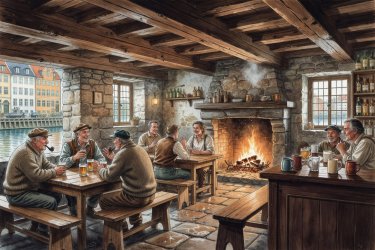
Render illustration of classic Nyhavn canal townhouse cellar with timber beams

Illustration: Historic waterfront merchant tavern architecture.

Slotskælderen hos Gitte Kik (Copenhagen)

Located near Christiansborg Palace since 1797, Slotskælderen operates without printed menus; diners inspect the daily cold counter directly. Specializing in warm liver pâté (leverpostej) with sautéed mushrooms and smoked bacon, this venue remains a quiet gathering spot for parliamentarians and neighborhood regulars.

The Protocol of the Danish Luncheon Table

When participating in a full Danish lunch service (frokost), observing the traditional progression ensures maximum enjoyment:

  1. First Course: Marinated Fish. Begin with pickled herring (marineret sild, karrysild, or kryddersild). The acidity resets the palate.
  2. Second Course: Warm Fish. Deep-fried plaice fillet (rødspættefilet) served with homemade remoulade and fresh lemon slices.
  3. Third Course: Meats. Roast beef with crispy onions, roast pork (flæskesteg) with crackling, or warm liverpostej.
  4. Fourth Course: Cheese. Strong aged Danish cheeses such as Danablu served with spiced apple jam or dark rye wafers.
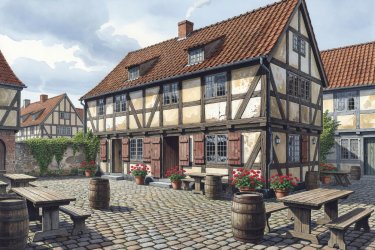
Render illustration of half-timbered Danish inn courtyard with cobblestones

Illustration: Historic Funen coaching inn facade.

Den Gamle Kro (Odense)

Away from the capital, Funen boasts coaching inns (kroer) established by royal decree centuries ago. Den Gamle Kro maintains wood-beamed dining halls where pork loins, roast duck with prunes, and regional brown butter potatoes represent the agricultural heart of rural Denmark.

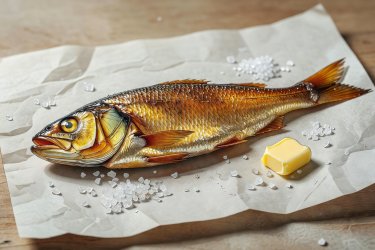
Render illustration of golden smoked fish on paper with sea salt and butter

Illustration: Traditional Jutland smokehouse fare.

Skagen Fiskerestaurant (Jutland)

Perched on the northern tip of Jutland inside converted fish-packing warehouses designed by Thorvald Bindesbøll in 1907, this room has sand on the floors and serves wild Kattegat prawns, pickled sprats, and poached flatfish caught daily in local waters.